Get a Free Consultation
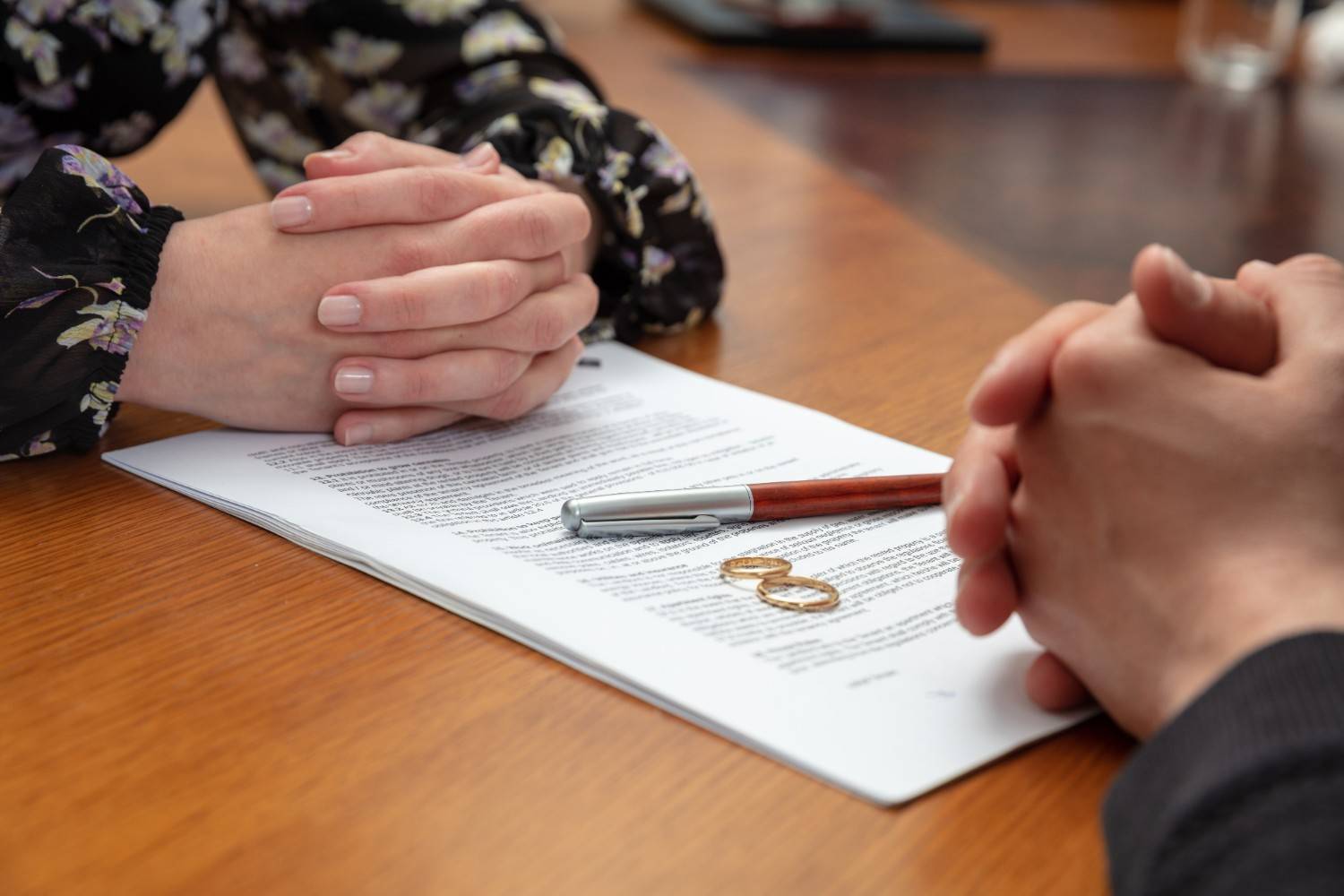
An Oakland property division lawyer at Modern Family Law helps you identify, value and fairly divide your home, savings, retirement accounts, stock, business interests and debts in a California divorce. Alameda County family law cases are heard at the Hayward Hall of Justice, and your first consultation is free.
Ending a marriage means untangling years of shared finances. Many people worry about keeping the family home, protecting their retirement or covering bills on a single income. In the East Bay, where home values have climbed for decades, the house is often the largest asset a couple owns.
Our Oakland family law attorneys walk you through California's property rules step by step, help you get your finances in order and build a plan tailored to your family. We aim for fair, workable agreements and prepare thoroughly in case a judge needs to decide, so you can begin your new life with confidence.
Schedule a Free ConsultationCalifornia follows community property rules. Unless spouses agree otherwise, the court generally divides the community estate equally (Family Code § 2550). The split is equal in overall value, so couples can trade assets, such as one spouse keeping the home while the other keeps more of the investments.
The two main categories are:
Mixing can blur the line. If separate money goes into a joint account, or community income pays the mortgage on a home one spouse owned before marriage, the community may share in its value. Good records make tracing much easier.
Debts follow the same rules. Loans and credit card balances from the marriage are usually divided along with the assets.
Is a 401(k) split 50/50? Only the portion earned during the marriage is community property, and that portion is generally divided equally. Use our California assets and debts calculator to start listing what you own and owe.
Our Attorneys Are Ready to Listen. Our Oakland property division attorneys bring the experience, resources and care to prepare your case, protect your interests and work toward a fair result for you and your family.
Schedule a ConsultationWe're not fans of surprises, and we suspect you aren't either. We built these calculators so you know what to expect every step of the way.



Some couples handle property division themselves, while others work with a property division attorney. A property split is difficult to change once the judgment is entered, so careful planning up front protects you later. Here's how the process usually works.
Make a full list of what you and your spouse own and owe: your home and any rentals, bank and brokerage accounts, 401(k)s, IRAs, pensions, stock awards, vehicles, business interests, valuables, credit cards and loans. Collect recent statements for each one so your list reflects real numbers.
Decide which items are community and which are separate. Your date of separation is key, since earnings after that date are generally separate. When funds have been mixed, statements and purchase records help trace each item back to its source.
Every item needs a fair value. A home may need an appraisal, accounts rely on current statements and a business may need a professional valuation. Pensions and stock awards follow their own valuation rules, so it's worth understanding them before you agree to anything.
Each spouse must serve a Preliminary Declaration of Disclosure (FL-140) within 60 days of filing a petition or response. It includes a Schedule of Assets and Debts (FL-142) and an Income and Expense Declaration (FL-150). California requires full honesty between spouses, and we can ask the court to order more information if something is missing.
Most Oakland couples resolve property division through negotiation or mediation, then sign a marital settlement agreement. Working it out together gives you room for trade-offs that fit your family's needs.
Most retirement plans require a qualified domestic relations order (QDRO) to divide the account without early-withdrawal penalties. We work with plan administrators so the order is approved the first time.
If you can't reach an agreement, a judge at the Hayward Hall of Justice, 24405 Amador Street, decides how to divide your property at trial. Both sides present evidence on values and on what's community or separate. Many couples still settle some issues before trial begins.
For many Oakland families, the home carries both financial and emotional weight. You can sell it and split the proceeds, or one spouse can keep it and buy out the other, which usually means refinancing the mortgage into one name. Transfers between spouses as part of a divorce are generally excluded from Proposition 13 property tax reassessment, which can help the spouse who keeps the home hold onto a lower tax base. If one spouse put separate money toward the down payment, they may be entitled to reimbursement before the rest is divided.
Every family's story is different, and you don't have to sort through this on your own. Our Oakland property division attorneys will listen closely, learn what matters most to you and give you clear next steps tailored to your situation.
Frequently asked questions
Yes. Most property and debt acquired during the marriage is community property, and a judge generally divides it equally. Spouses can agree to a different arrangement in their settlement.
Property owned before the marriage, gifts and inheritances, and earnings after the date of separation are usually separate. That status can be lost if separate funds are mixed with community money and can't be traced.
It depends on your finances, your children and what you agree to. One spouse can buy out the other, or you can sell and divide the proceeds. A spouse who used separate funds toward the home may be repaid first.
Stock awards earned during the marriage are generally community property. For unvested awards, courts often use a time-based formula to decide how much was earned during the marriage.
Yes. Debts from the marriage are usually community debts and are divided with the property. Debts taken on after separation generally belong to the spouse who incurred them.
Cost depends mostly on how much you and your spouse disagree. Settled cases cost far less than those that go to trial. We share our transparent fees up front, and qualified clients can use our SimpleStart program to reduce the cost to begin.
Our Oakland property division lawyers know how emotional it is to divide a life you've built together. Your case deserves careful attention to every account, asset and debt, and that's what we give it. Once we understand your finances, we can guide you clearly toward a fair outcome.
Preparation makes property division easier. When you know what you own, what it's worth and how California law applies, you can make decisions with confidence. We also consider taxes, liquidity and future costs, because the number on paper is only part of the story. Our team combines compassionate guidance with modern technology to keep your case moving, and our SimpleStart™ program offers qualified clients a more affordable start.
After the judgment, we help you follow through on refinancing, title transfers and retirement orders, so you can step into your next chapter feeling secure.

Lulu Tseng
Managing Partner Oakland, CA Meet Lulu
Angel Gonzalez
Associate Practice Manager Oakland, CA Meet Angel
Sara Raymond
Senior Attorney Oakland, CA Meet Sara
Josie Zimmerman
Associate Attorney Oakland, CA Meet Josie
Sarah Bounar
Associate Attorney Oakland, CA Meet Sarah
Colleen Karp
Associate Attorney Oakland, CA Meet Colleen
Hamza Atai
Associate Attorney Oakland, CA Meet Hamza
Justin Reyes
Associate Attorney Oakland, CA Meet JustinProperty division touches many parts of your divorce. You don't need to master every detail, but understanding the basics makes each step easier.
Our Calculators
We’re not fans of surprises and we suspect you aren’t either. We built these divorce calculators just for you, so you know what to expect every step of the way.




Family Law