Modern Family logo

Book a Consultation Today!

Child Support

10 Things to Know About Failing To Pay Child Support In Georgia

When a parent in Georgia doesn’t make court-ordered child support payments, the state has broad powers to enforce the order and pursue collection. Understanding the legal framework, penalties, and options for modification can help parents avoid serious consequences. Here’s what you need to know if you’re dealing with unpaid child support in Georgia.

Quick answers: unpaid child support in Georgia

Can I stop paying if I’m unemployed?

Not automatically. Payments usually continue under the current order until a court modifies it.
If your income changed, you may be able to seek a modification — but keep records and pay what you can.

Can I refuse to pay if I’m not getting visitation?

Child support and visitation are typically handled separately. Withholding support can trigger enforcement,
even if parenting time is a problem.

What happens if I fall behind?

Enforcement can escalate from administrative actions (like wage withholding) to more serious court action.
The safest move is to address the issue early and document everything.

1. Child Support In Georgia
Is A Court-Ordered Obligation

In Georgia, child support is established through a court order or administrative process, and once entered it creates a legal duty to pay. You can’t simply choose not to pay because of personal disagreements, lack of visitation, or financial stress — the duty exists until the court order is modified.

2. Unpaid Support Is Called Arrears

If you fall behind or stop making payments, the amount you owe becomes “arrears.” Georgia’s Division of Child Support Services (DCSS) tracks these arrears and has tools to collect them when payments aren’t made.

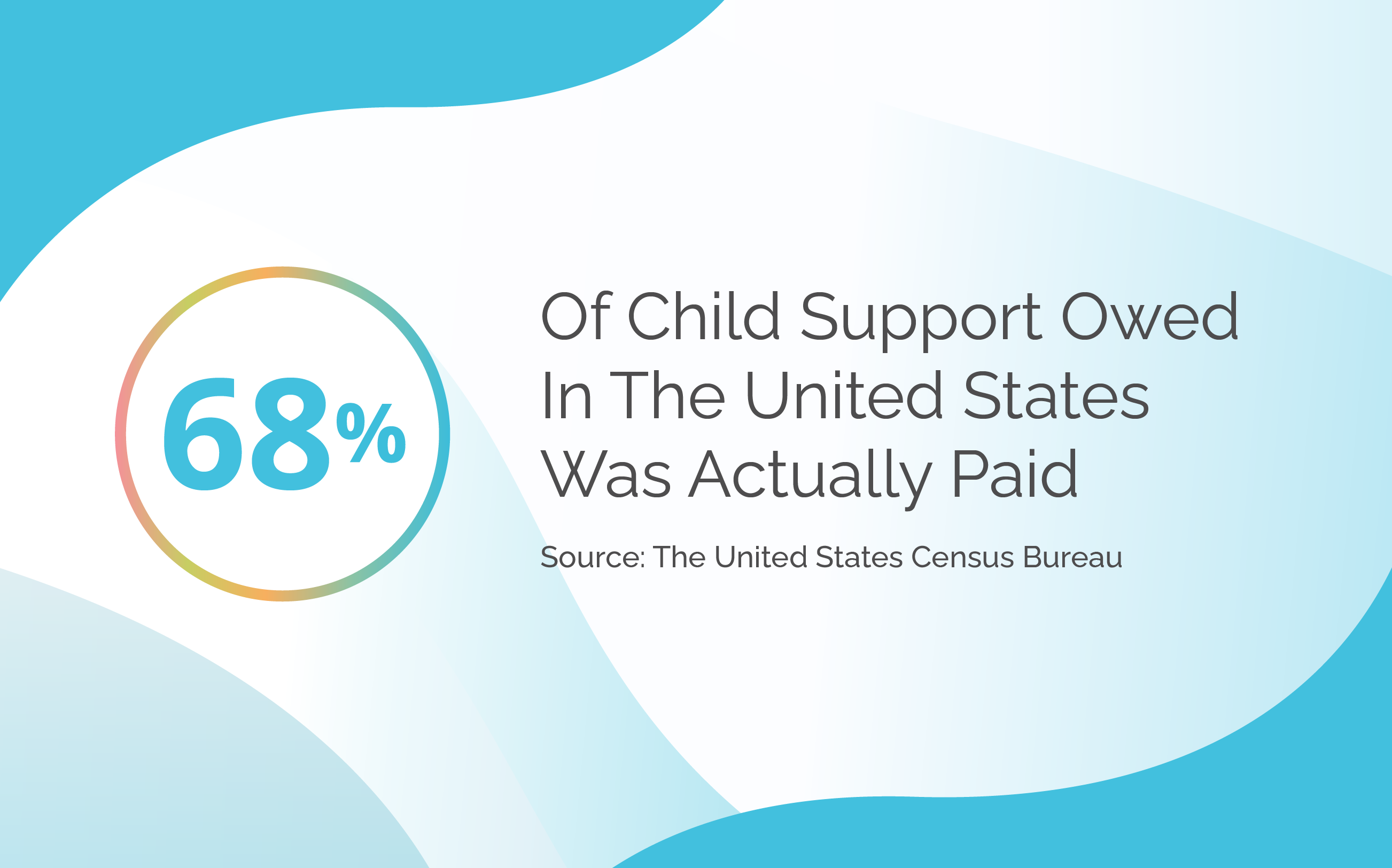
child support statistic

3. Georgia Uses Multiple Enforcement Tools Before Court Contempt

Before a judge finds you in contempt, DCSS typically tries administrative enforcement options, such as:

  • Wage withholding (automatic deduction from earnings)

  • Intercepting federal and state tax refunds

  • Reporting arrears to credit bureaus

  • License suspension (driver’s, professional, occupational, recreational)

  • Lottery winnings intercepts

These actions occur automatically under state law when you fail to pay as ordered.

4. Driver’s & Professional License Suspensions Are Common

If you’re significantly delinquent, often around 60–90 days past due, DCSS can notify licensing agencies to suspend your driver’s license, professional licenses, and even recreational permits until you make payments or arrange a plan.

5. Contempt Of Court Can Lead
To Fines & Jail Time

If administrative enforcement isn’t enough, the custodial parent or DCSS can ask a judge to hold you in contempt of court for failing to follow the support order. To do this, the court must find that you willfully failed to pay despite having the ability to do so. Punishment may include:

  • Court fines (sometimes up to $1,000 or more)

  • Jail time (often up to 20 days per contempt finding)

  • Orders requiring you to immediately pay arrears

Most judges require proof that you could have paid but chose not to before imposing incarceration.

If you can’t pay child support in Georgia, here’s a simple next-steps checklist

The goal is to reduce risk, stay organized, and pursue a legal solution (like modification) when circumstances change.

  1. Gather proof (job loss, reduced hours, medical issues, monthly expenses).
  2. Make a payment if you can — even partial — and save confirmation.
  3. Document everything (payments, messages, and key dates).
  4. Explore modification if your income changed significantly.
  5. Get guidance early before enforcement escalates or court is involved.

6. Child Support Debt Can Hurt Your Credit

DCSS can report delinquent payments to the three major credit reporting bureaus, which may significantly lower your credit score and affect your ability to get loans or credit in the future.

7. Arrears Remain Owed Even If Circumstances Change

Unless the child support order is legally modified by a court, you must continue paying under the existing terms even if your income drops, you lose a job, or circumstances change. If your situation changes significantly, you can petition the court for a modification, but you must continue paying the original order until the modification is granted.

8. Georgia Offers Help Programs (Like The Fatherhood Program)

Georgia DCSS administers services like the Fatherhood Program designed to help parents avoid enforcement actions by assisting with employment, accountability, and support compliance. Participation may help keep cases out of contempt proceedings.

9. Federal Consequences May Apply
In Extreme Situations

In rare but serious cases, especially if you owe more than $10,000 and evade payment while living in another state, federal penalties under the Deadbeat Parents Punishment Act might apply, including possible federal prosecution.

10. Options To Protect Yourself: Modification & Communication

If paying becomes genuinely impossible due to job loss, disability, or financial hardship, it’s crucial to:

  • Contact DCSS immediately

  • File a petition to modify the support order

  • Provide documentation of your financial situation
    Requesting a modification gives you the chance to adjust payments; legally stopping payments without approval will likely trigger enforcement.

Getting Ahead of Child Support Issues In Georgia

Falling behind on child support in Georgia can feel overwhelming, especially when financial or personal circumstances change unexpectedly. But ignoring the issue often makes things worse. Enforcement actions can escalate quickly, and arrears continue to grow until a court order is modified. The most important step is understanding your rights, your responsibilities, and the options available to you under Georgia law.

At Modern Family Law, our attorneys work with parents across Georgia to navigate child support enforcement, modifications, and compliance issues with clarity and compassion. Whether you’re struggling to keep up with payments, facing enforcement action, or seeking a modification due to a change in income, we can help you understand your next steps and advocate for a solution that protects both your future and your child’s well-being. If you’re unsure where to start, getting informed guidance early can make a meaningful difference.

By: MFL Team

Posted December 26, 2025


Related Resources

Child Support

10 Things to Know About Failing To…

Failing to pay child support in Texas can lead to serious consequences — some that parents don’t expect until it’s too late. Texas takes…

Child Support

Child Support In Austin: What Travis County…

Child support is one of the most important and often misunderstood aspects of family law in Austin. While Texas law provides clear guidelines, the…

Child Support

Major Changes to Texas Child Support Laws…

As we approach September 1, 2025, Texas families should be aware of significant changes to child support laws. These updates represent the most substantial…

Back

Free Consultation