Licensed Legal Paraprofessionals are empowered to extend a range of legal services designed to make access to justice more affordable and accessible. Here’s how they can assist:


Colorado's Licensed Legal Paraprofessionals
Unlocking Legal Access in Colorado
A Colorado Licensed Legal Paraprofessional (LLP) can provide legal help in certain family law matters, including divorce, parenting responsibilities, child support, and maintenance. LLPs can explain your options, prepare court documents, and represent you in eligible cases.

Colorado's Licensed Legal Paraprofessionals
Unlocking Legal Access in Colorado
A Colorado Licensed Legal Paraprofessional (LLP) can provide legal help in certain family law matters, including divorce, parenting responsibilities, child support, and maintenance. LLPs can explain your options, prepare court documents, and represent you in eligible cases.
Licensed Legal Paraprofessionals Overview
At Modern Family Law, we’re redefining family law with our compassionate and innovative Licensed Legal Paraprofessional (LLP) program, aimed at making expert legal assistance more accessible in Colorado. This initiative broadens the availability of high-quality legal support, ensuring clients receive the expertise they deserve. Our certified and trained LLPs handle a variety of family law matters.
The LLP program caters to Colorado’s diverse legal needs, offering personalized guidance across amicable divorces, custody agreements, and more. By providing clear and efficient legal advice, we empower individuals to navigate their legal journeys with confidence.
Choosing Modern Family Law’s LLP program means partnering with a team that’s committed to your legal success and well-being. We invite you to join us in a transformative era of family law, where our LLP program is designed to bring expert legal representation within reach for more individuals.
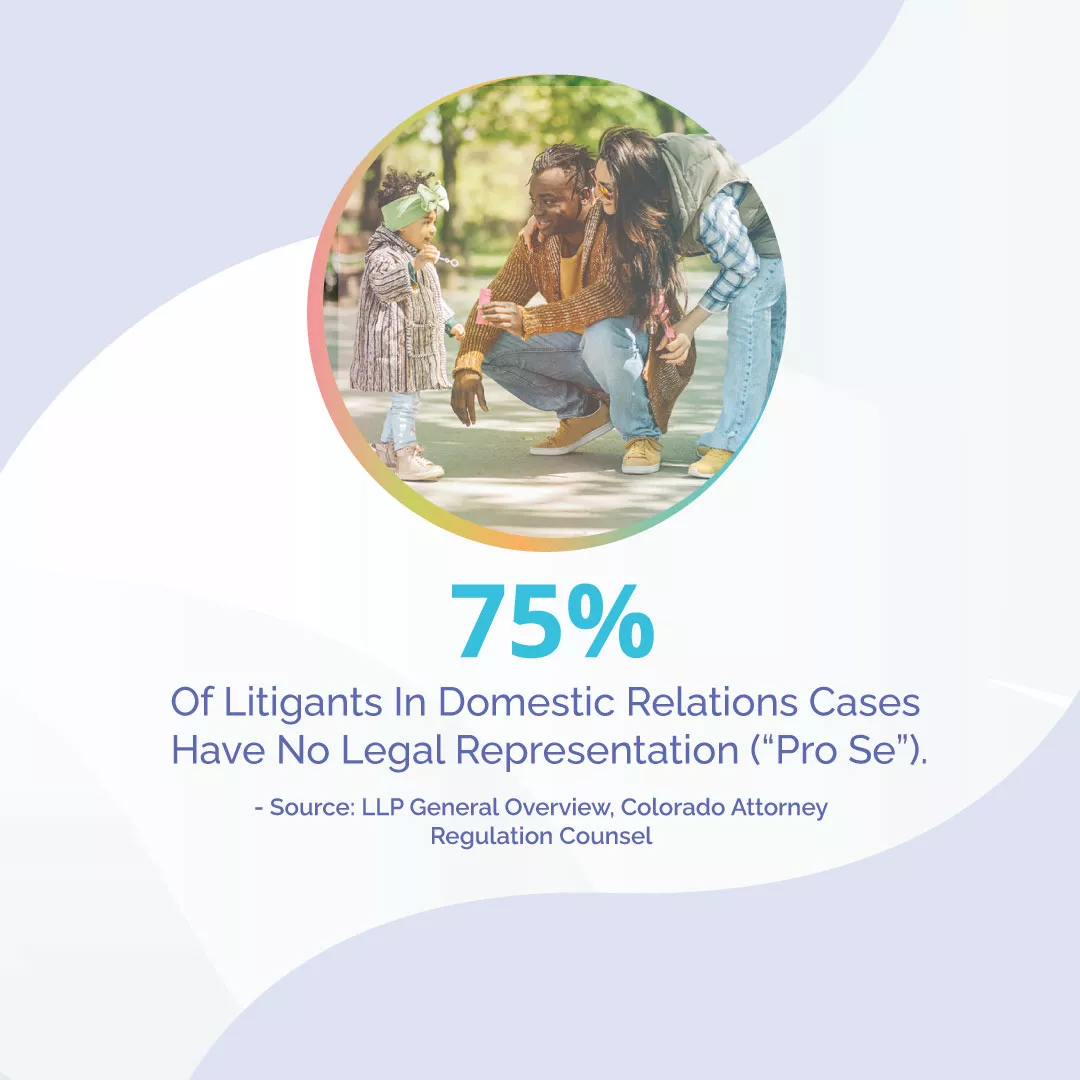
What Is A Colorado Licensed Legal Paraprofessional?
A Colorado Licensed Legal Paraprofessional (LLP) is a pioneering role within the legal field, creating a new class of legal service providers. Although not attorneys, LLPs are licensed to undertake specific legal tasks, such as preparing documents, collecting information, and offering basic legal guidance. This initiative aims to make legal help more accessible across the state.
By taking on many essential legal tasks, LLPs significantly ease the financial burden of legal services for individuals and families. By offering an alternative route through the legal system, LLPs make navigating legal challenges more straightforward and accessible, fulfilling the program’s goal of opening legal assistance to a broader audience.
Who Is The LLP Program Intended For?
Our Licensed Legal Paraprofessional (LLP) program is designed for a diverse range of clients, each facing unique situations but sharing a common need for accessible, professional legal assistance. Here are examples of ideal clients who would benefit from our LLP services:
The Proactive DIYer
Meet Cynthia, a well-informed individual who prefers to handle things herself. She and her husband have agreed on the terms of their divorce and asset allocation but seek professional guidance to ensure everything is processed correctly. Our LLPs are perfect for providing that expert oversight, ensuring peace of mind without the need for full attorney involvement. Colorado lawyers and LLPs can only represent one party in any family law case.
The Amicable Agreers
Rosalyn and Tyrone are in complete agreement over the terms of their divorce and custody arrangements. They want professional help to navigate the legal process smoothly, ensuring their decisions are legally sound. Our LLPs can offer the necessary legal assistance to make their amicable separation formal without complications or unnecessary costs. Colorado lawyers and LLPs can only represent one party in any family law case.
The Friendly Separators
James and Vincent, a couple with a simple asset situation and a mutual understanding of their separation terms, represent another ideal client. They are on good terms but feel out of their depth with the legal aspects of their divorce. Our LLPs can manage their case from start to finish, providing expertise and peace of mind through an otherwise challenging time. Colorado lawyers and LLPs can only represent one party in any family law case.
What LLPs Can & Cannot Do
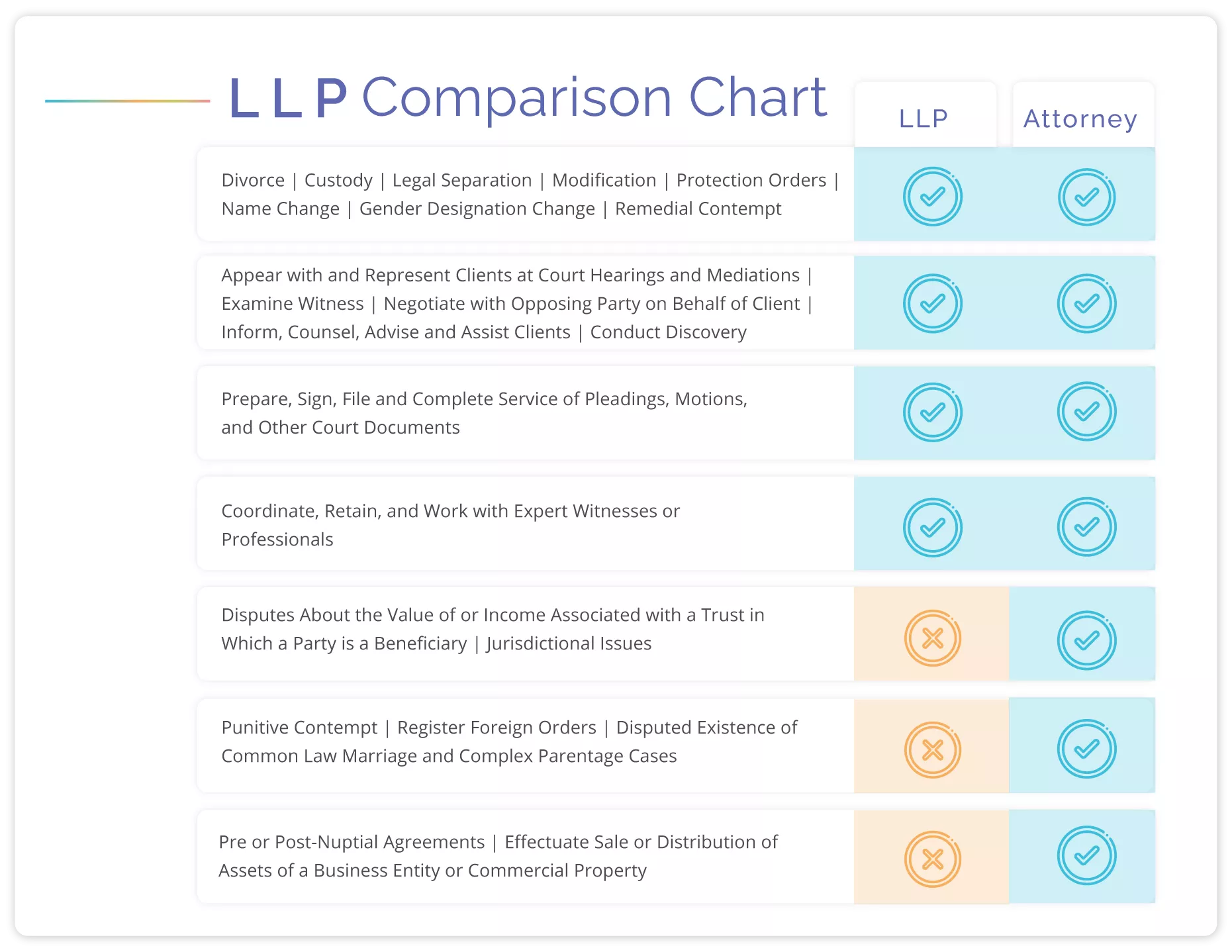
For additional information, please click here.
What LLPs Can Do
Licensed Legal Paraprofessionals are empowered to extend a range of legal services designed to make access to justice more affordable and accessible. Here’s how they can assist:
Legal Document Preparation
LLPs assist clients with the preparation and comprehension of key legal documents in family law.
Information Gathering
They gather necessary information and documents, facilitating a smoother legal process.
General Legal Guidance
Within the scope of their certification, LLPs offer general advice on family law issues to ensure clients understand their options and the legal framework.
Direct Representation In Limited Settings
LLPs in Colorado pass a mini bar exam, undergo an ethics evaluation, and are authorized by the Colorado Supreme Court to practice family law with some restrictions.
Question Witnesses
LLPs can examine any witness and make arguments and objections during a court proceeding.
What LLPs Cannot Do
While LLPs make a substantial contribution to the family legal landscape in Colorado, it’s important to recognize the distinct limitations on the scope of their legal services:
Intricate Legal Issues Outside Of Family Law
LLPs cannot take on cases that involve intricate legal issues, which require the depth of knowledge and experience of a licensed attorney.
Handle Certain Complex Disputed Family Law Issues
Represent clients in complex or highly contested family law cases where legal disputes go beyond the scope of an LLP’s role.
*LLPs have a limited license to practice in family law and are not licensed to practice in any other areas of law. To review the full text of Colorado Rule 207.1 governing Licensed Legal Paraprofessionals, view the rule here (PDF).
Why Thousands Trust Modern Family Law

⭐
4.8 Rating
10,000+ Families Helped
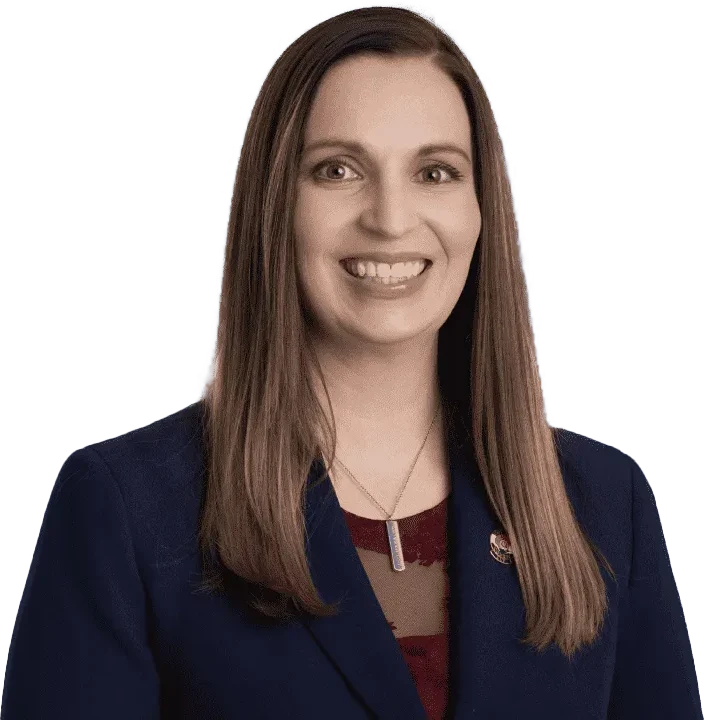
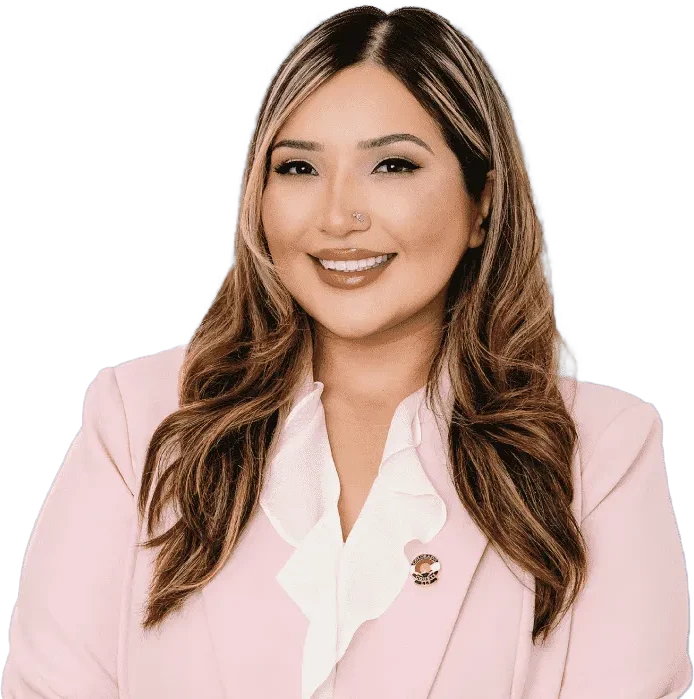
Meet Modern Family Law’s Licensed Legal Paraprofessionals
Discover the heart and soul behind our pioneering legal services at Modern Family Law. Our team of Licensed Legal Paraprofessionals (LLPs) represents the forefront of accessible and compassionate legal assistance in Colorado. Each member brings a unique blend of expertise, empathy, and dedication to their role, ensuring that our clients receive the highest standard of support.







Unlock Your Legal Possibilities!
From guiding you through the intricacies of legal documentation to offering general legal guidance with utmost care, our LLPs are more than just service providers; they are your partners in navigating the legal landscape. With diverse backgrounds and a shared commitment to justice, our team is equipped to handle a wide range of family law matters, always with your best interest at heart.
Schedule a ConsultationCommon Questions About LLPs In Colorado
What is the cost difference between hiring an LLP vs. an attorney?
In Colorado, hiring a Licensed Legal Paraprofessional (LLP) instead of an attorney can significantly reduce legal costs, as LLPs may charge hourly rates between a quarter to a half of what attorneys typically charge. This cost difference is part of a broader initiative to make legal representation more accessible, especially for moderate-income individuals facing less complex legal issues.
What happens if I hire an LLP, but something comes up in my case that the LLP can’t handle?
If you hire a Licensed Legal Paraprofessional (LLP) in Colorado and your case encounters issues beyond their scope, the LLP will advise you to consult a licensed attorney for those specific aspects. LLPs have defined responsibilities and can assist under an attorney’s supervision for matters they’re not authorized to handle independently.
What kind of cases would make more sense for me to hire an LLP rather than an attorney?
Hiring a Licensed Legal Paraprofessional (LLP) in Colorado is particularly suitable for straightforward family law matters, such as simple divorce proceedings and child custody cases. LLPs are ideal for situations that don’t require complex litigation or specialized knowledge beyond their authorized practices, offering a cost-effective alternative for legal representation. They can file documents, represent clients in mediation, and provide in-court support within their defined scope.
Is my confidentiality protected the same way with an LLP as with an attorney?
Your confidentiality is protected in the same way with a Licensed Legal Paraprofessional (LLP) as with an attorney in Colorado. LLPs are required to abide by professional conduct rules similar to those of licensed attorneys, which include adhering to confidentiality rules. This ensures that any information you share with an LLP is kept private and secure, similar to the attorney-client privilege.
Is an attorney more likely than an LLP to be able to get me the results I want?
The likelihood of an attorney versus a Licensed Legal Paraprofessional (LLP) in Colorado getting you the results you want largely depends on your case’s complexity. Attorneys can handle a wider range of complex legal issues, including those requiring litigation and specialized knowledge outside of an LLP’s scope. For simpler matters, especially within family law, where LLPs are authorized to practice, an LLP could effectively represent you, often at a lower cost. It’s essential to evaluate the specifics of your case to decide whether an attorney’s broader legal abilities or an LLP’s focused expertise is more suitable.
Additional Articles You May Find Helpful

Colorado LLP Program: One Year of Progress & Impact
- September 17, 2025


LLP Monthly Report – Issue 4
- November 4, 2024



Contact Us
One of our compassionate team members will review your information and will reach out to you as soon as possible during our regular business hours. If you have contacted us during our regular business hours, give us a call to speak with us now. If you have contacted us after hours or on the weekend, you can expect us to reach out on the morning of our next available business day. Thank you for your interest!

Office Hours: Monday – Friday 8 AM – 5 PM
Phones Answered 24/7
Get Clear Answers & Start Protecting Your Future
Schedule a consultation to get clear, actionable answers to your family law questions.